Clean Cooking Project

Providing Access to Reliable Power for Cooking through Clean Energy

Every day, hostel kitchens prepare meals that support the education and well-being of students. Behind every meal are cooks who spend long hours working in hot kitchens and the institutions that struggle with rising fuel costs. Access to clean energy can improve everyday life. The Clean Cooking Project was created to help hostels and residential institutions move towards cleaner, safer, and more sustainable cooking practices.
IEEE India Philanthropy works with institutions, technical partners, and communities to demonstrate how clean energy solutions can improve daily operations while creating long-term social and environmental benefits.

Why Clean Cooking?

The Clean Cooking Project was started with a simple thought: can the same meals be cooked in a cleaner, safer, and more sustainable way? The answer was yes.
Join With Us
By using solar-powered induction cooking, the project helps reduce LPG use, lower fuel costs, and make kitchens cleaner and more comfortable for cooks. The goal is not just to change the way meals are cooked. It is to show how clean energy can improve daily life, support institutions, and encourage sustainable practices.
Join With Us

Creating Change Through Clean Energy

The project combines solar energy generation, battery storage, and induction cooking technology to provide a reliable alternative to LPG-based cooking. By harnessing solar power for daily cooking needs, institutions can:

Reduce dependence on conventional fuels

Lower operational costs over time

Improve kitchen safety and comfort

Reduce carbon emissions

Promote the adoption of renewable energy within communities

How the System Works

Instead of LPG, the kitchen draws power from the sun. The setup includes:

A solar photovoltaic (PV) system to generate electricity

Battery storage to support cooking during peak hours

Induction stoves with compatible utensils

A solar inverter and real-time monitoring system

The system is tailored to the number of meals prepared each day and the kitchen’s size. Cooking routines remain the same, but the environment changes completely.

Impact at a Glance (In just 6 months)

Students Benefited
0
kWh Clean Energy Generated
0
Rupees Fuel Cost Savings So Far
0 +
LPG Cylinder Saved Every Month
0
Kg CO₂ Emissions Avoided
0
Smoke-free and Safer Kitchen Environment
0

What Has Changed?

First Implementation at BCM Hostel 45, Vijayapura

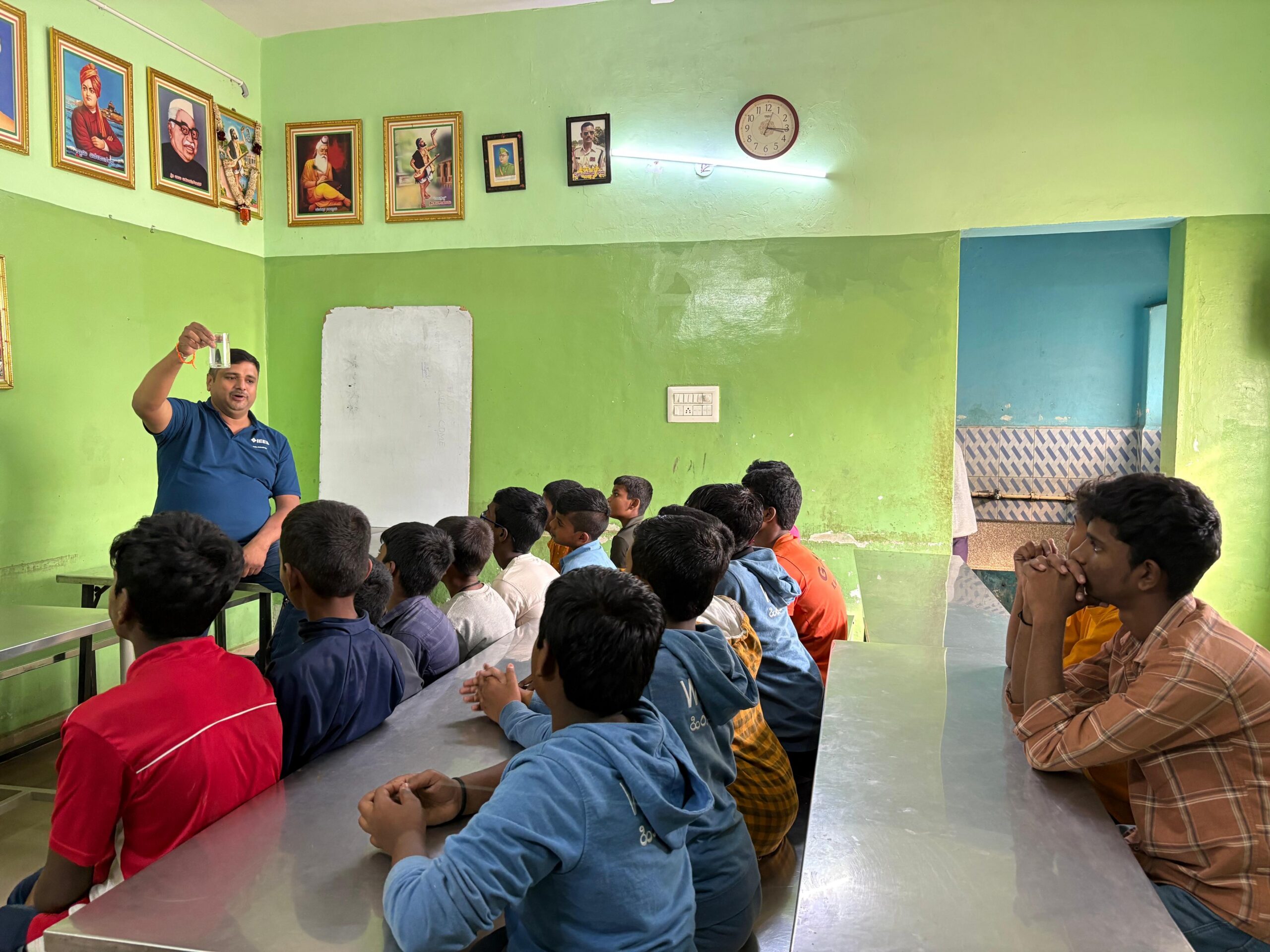
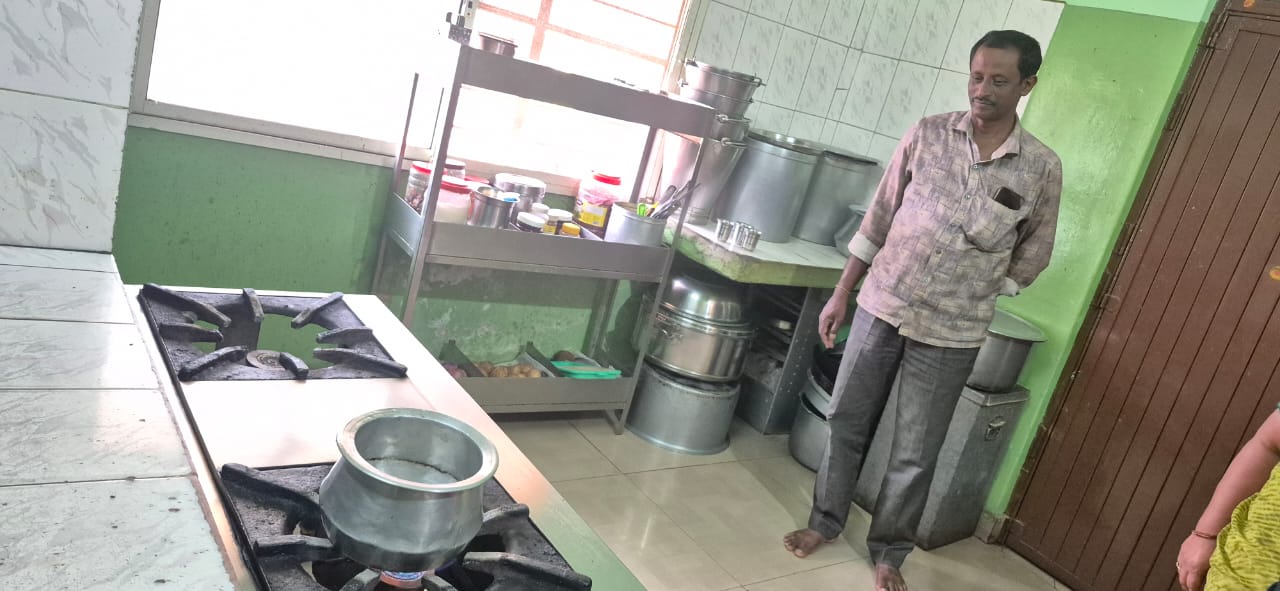
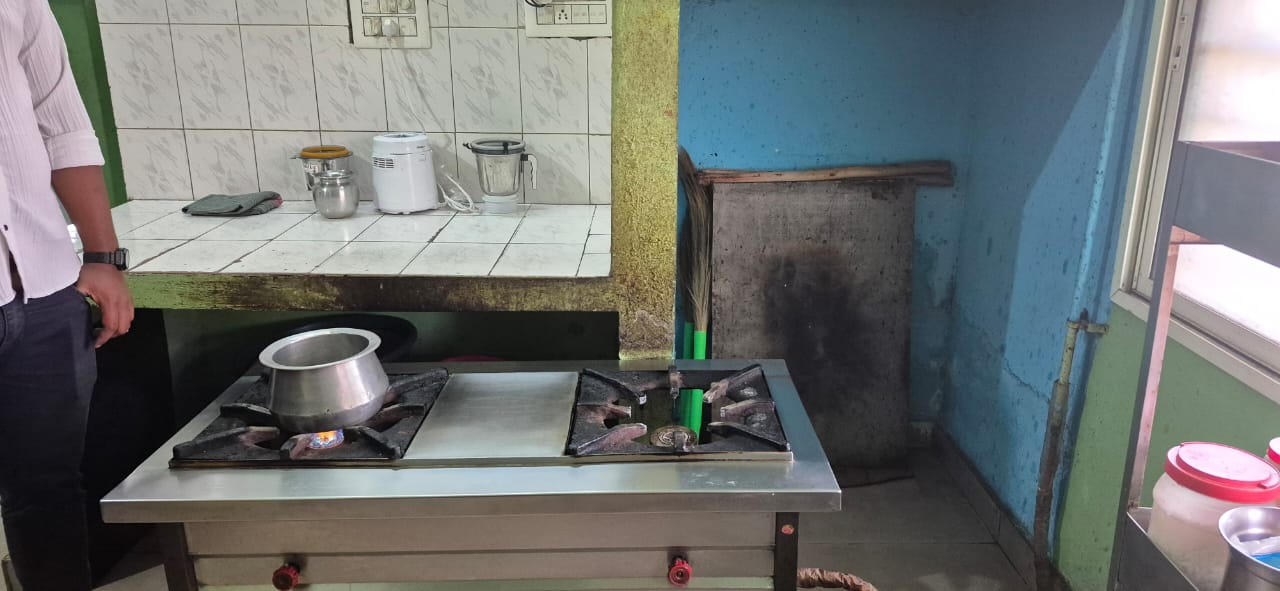
The first Clean Cooking Project was implemented at BCM Pre-Matric Boys Hostel in Vijayapura, where meals are prepared daily for 50 students. The hostel kitchen now uses a solar-powered cooking system that supports daily meal preparation while reducing dependence on LPG. The project demonstrates how a simple act of cooking can reduce environmental impact. The model can be adapted and scaled for more schools, hostels, and institutional kitchens based on their size and energy needs.

Want to be part of the change?

Our Stories of Impact

Initially, even after the training session, I was hesitant to use the induction stove. However, once I started using it, I found it simple, efficient, and suitable for preparing all our regular meals, including fritters. The timer feature allows me to focus on other kitchen tasks while cooking. Unlike LPG stoves, which can produce smoke and discomfort while cooking for long hours, induction cooking is clean and comfortable. I am happy with the experience and would recommend this system to other institutions. –  Hostel cook

Moments to Cherish